Designed for kitchens.
Built by hand.
Herbs2Hand started with a new kitchen, a clear brief, and a problem worth solving.
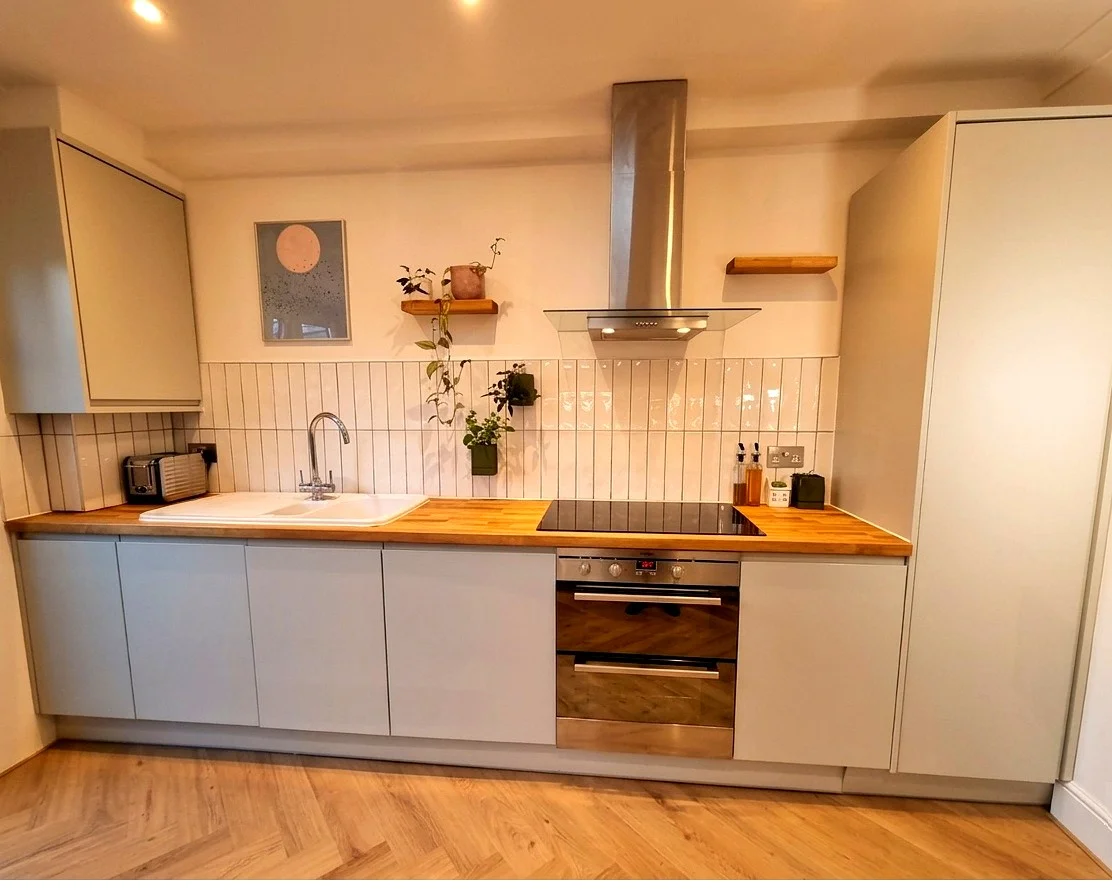
We installed a new kitchen together and almost immediately hit the same problem. Sonia wanted fresh herbs on hand — always there, always ready, no last-minute runs to the supermarket for a wilting pot of basil. Stephen wanted clear worktops and something that looked like it had been designed, not just tolerated. What was on the market gave us neither: plastic propagators, terracotta pots, off-the-shelf kits built for garden centres rather than kitchens. So we made something instead.
The brief came naturally from both of us. Sonia’s was simple: herbs within reach while cooking, without giving up worktop space or living with something ugly. Stephen’s was the same problem framed differently — two decades of value engineering on large infrastructure projects has a way of making you ask, at every step: what does this actually need to do, and what’s the most elegant way to do it? The constraints were clear. The solution took shape quickly.
We’ve run our own 3D print farm for five years, experimenting across watersports, electronics, and product design. When Herbs2Hand took shape — literally — we manufactured it ourselves. We still do. Every Linea and Stelo module is printed on our own machines, the lids cut and finished by hand, and every unit checked before it ships. There’s no factory in the middle. That’s not a compromise — it’s how we know exactly what we’re making, and how we keep making it better.
Stephen & Sonia Cresswell
What we believe
Kitchens deserve better
Most growing products are adapted from the garden or the greenhouse. We design for kitchens — where the light is different, the space is tight, and how something looks actually matters to the people who cook in it.
Every decision earns its place
Dimension, material, mount point, finish — nothing is arbitrary. We bring the same functional discipline to a herb module that Stephen applies to major infrastructure projects, with the same brief Sonia brought to the kitchen: does it work, and does it belong?
Made by us
We design, print, finish, and ship from our own workshop. No outsourced production, no mystery materials, no middlemen. We know exactly what goes into every module — because we made it, together.
UK-made.
All of it.
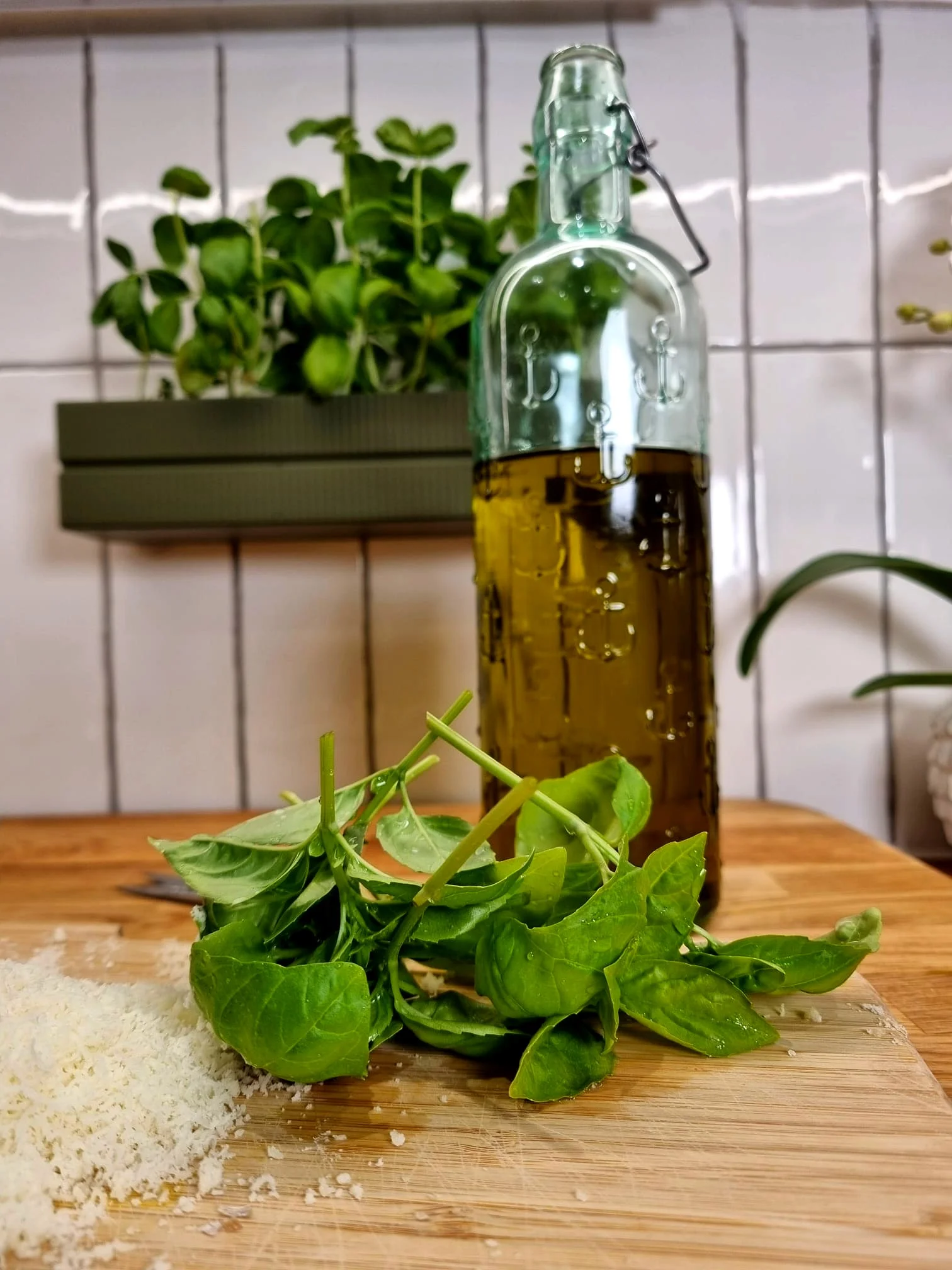
Every module is 3D printed in our UK workshop on machines we operate and maintain ourselves. Five years of printing experience means we know what the material will do, how a joint will hold, and where a design will fail before it leaves the screen.
The wooden lids are cut and finished by hand. The packaging is chosen to reflect the product inside it. We supervise every stage — not because we have to, but because we'd rather know exactly what we're shipping.
Short production runs mean we can iterate. When a design improves, the next batch reflects it. There's no minimum order holding us to yesterday's version.
The point of it all
To bring considered design to the everyday kitchen. Not gadgets. Not gimmicks. Things that work, look right, and earn a permanent place on the wall — because we wanted exactly that ourselves.
See the products